The past year was a time of reflection at Landesa, as we celebrated the life of our visionary founder, Roy Prosterman, who passed away in February at the age of 89.
It was Roy’s vision for pro-poor and democratic land reform that became the blueprint for a new and transformative approach to global development. Roy was a courageous optimist who believed in using the law to do the most good for people living on the margins—the billions of people in rural areas who rely on land to survive. As a former attorney at a white-shoe law firm, Roy saw people experiencing poverty not simply as Landesa’s constituents, but as our clients. Over the course of five decades, Landesa’s clients have grown to more than 700 million people enjoying stronger rights to land across 66 countries and counting.
And we continue to look for new ways to protect their rights. In keeping with Roy’s approach to systemic change through law and policy reform, Landesa formed the Law and Policy Practice Group (see Spotlight below), a crosscutting team that draws from Landesa’s deep bench of experts to promote law and policy solutions to safeguard the land rights of rural communities.
The stories in this report are a testament to Landesa’s commitment to building a secure future for rural women and men. I hope you’ll find them to be a fitting tribute for Roy’s remarkable legacy.
 |

Chris Jochnick, President & CEO
|
Landesa was founded by Roy Prosterman and a small team of lawyers on the belief that law and policy changes focused on secure land rights could transform lives.
Today, in the shadow of climate change, shifting trends in energy and resource use, and rapid advances in technology, the need to safeguard the foundational land rights of smallholder farmers, local communities, and Indigenous Peoples is more urgent than ever. To meet this evolving demand, Landesa formed the Law and Policy Practice Group (LPPG), a permanent initiative that convenes our global law and policy experts to address emerging challenges and opportunities affecting land, natural resources, and the people who depend on them.
In one of the group’s signature achievements in 2025, the LPPG and partner International Land Coalition (ILC) submitted recommendations on rights-based approaches to renewable energy development—vital for a sustainable future and deeply dependent on land—to the UN Special Rapporteur on climate change. The recommendations were incorporated into a report by the Special Rapporteur to the UN General Assembly, opening a path for global reach and impact.
Stronger Together: Investing in National Networks
The South Asian countries of Bangladesh, Nepal, and Maldives are among the most climate vulnerable places in the world. In all three countries, deep gender gaps in land rights intersect with disproportionate climate impacts, leaving women to bear the brunt of climate change.
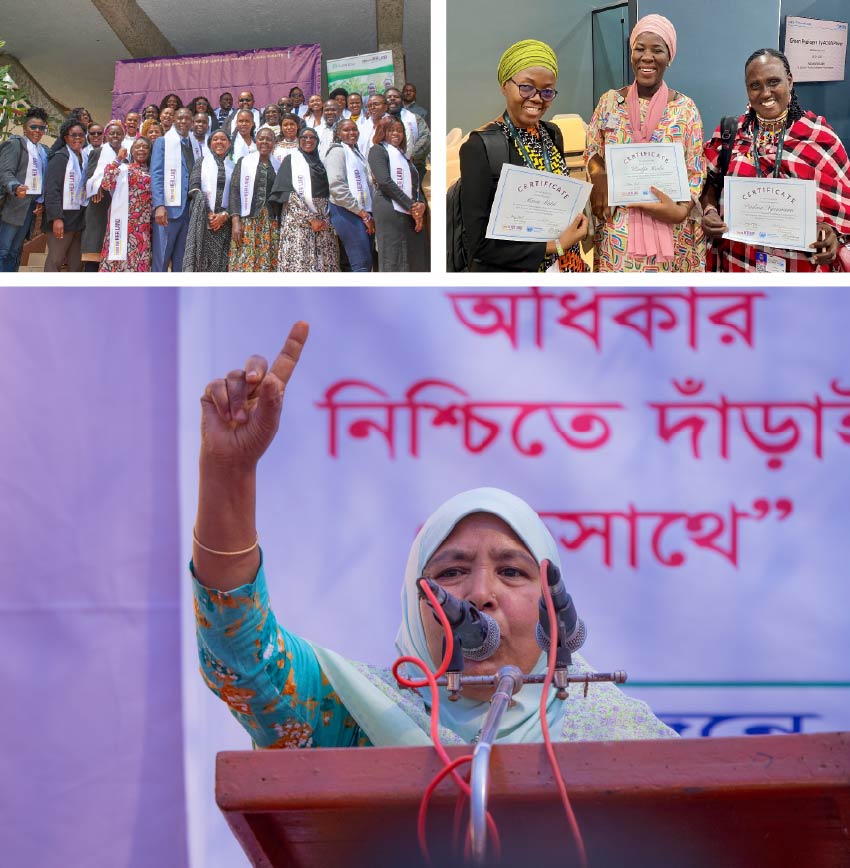
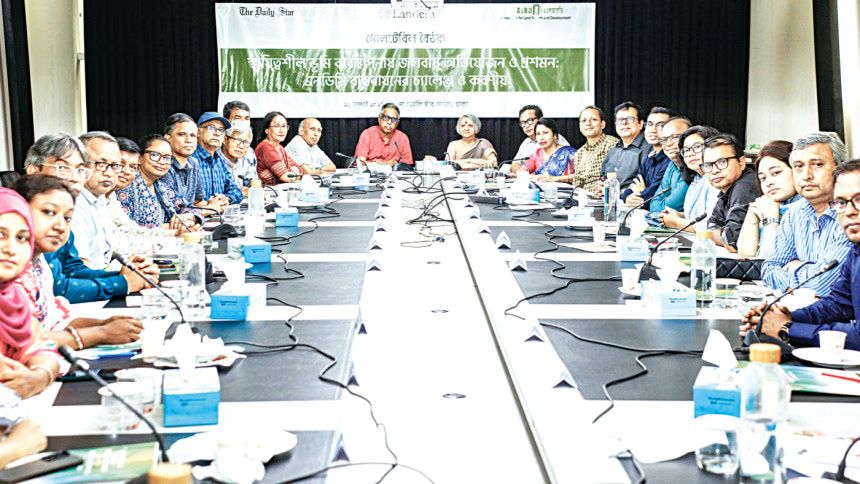
To confront these challenges, Landesa supported national coalitions in Bangladesh, Nepal, and Maldives to strengthen women’s land rights and inclusive environmental management decision-making as a foundation for climate action. Led by national partners and comprised of women-driven civil society organizations, the coalitions developed national climate resilience strategies and advocated together for climate action and gender-equitable land rights at local, state, and global levels. These efforts resulted in local government commitments to strengthen women’s participation in decision-making on sustainable land management and climate-smart agriculture, as well as enhancements in disaster preparedness. The Bangladesh and Nepal coalitions also saw advocacy breakthroughs for land rights in national climate policy. (See "Climate Action” highlight)
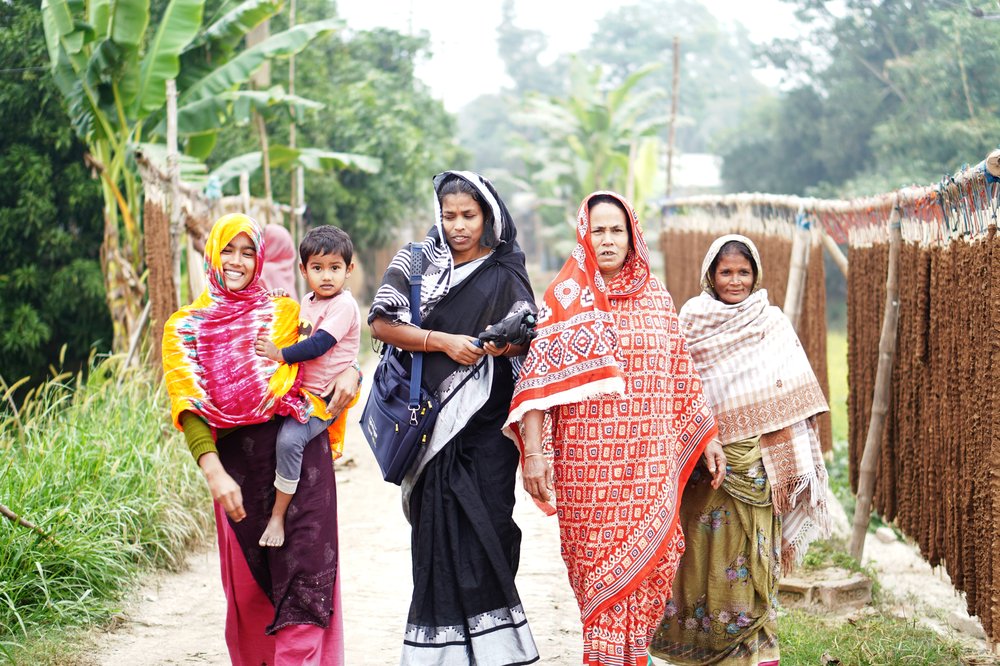
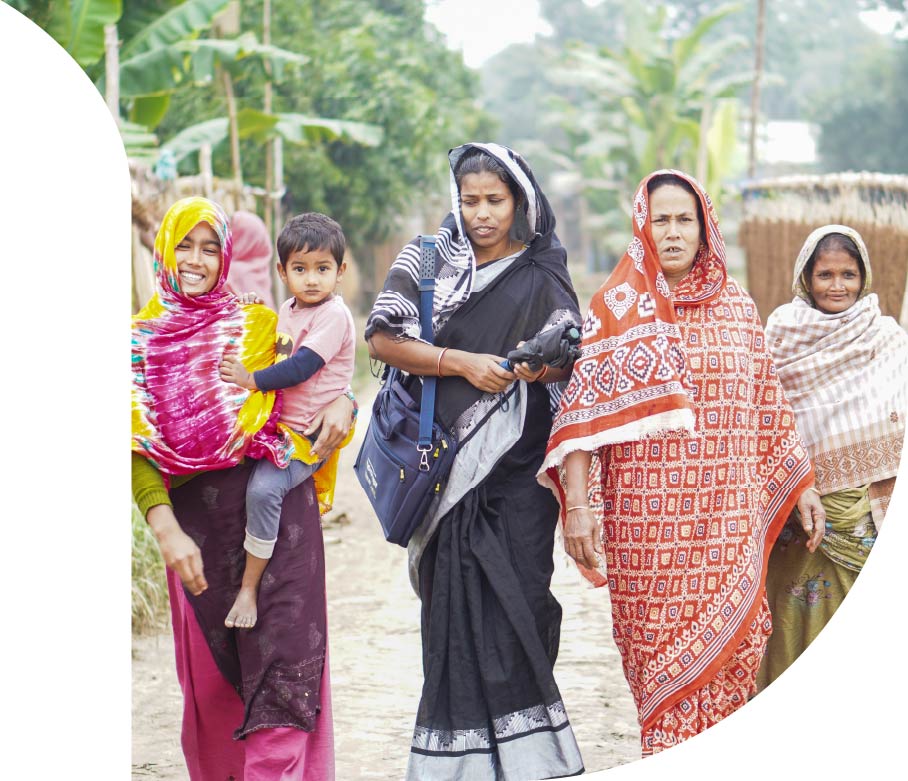
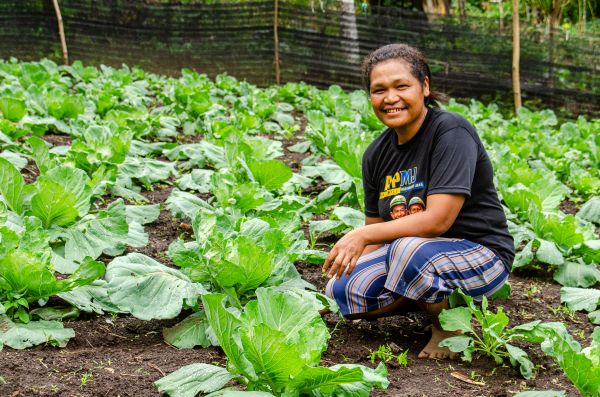
“Women need land security if they are to have any chance of resilience.”
- Monira Begum (in black), a grassroots leader from Faridpur, Bangladesh, involved in the project
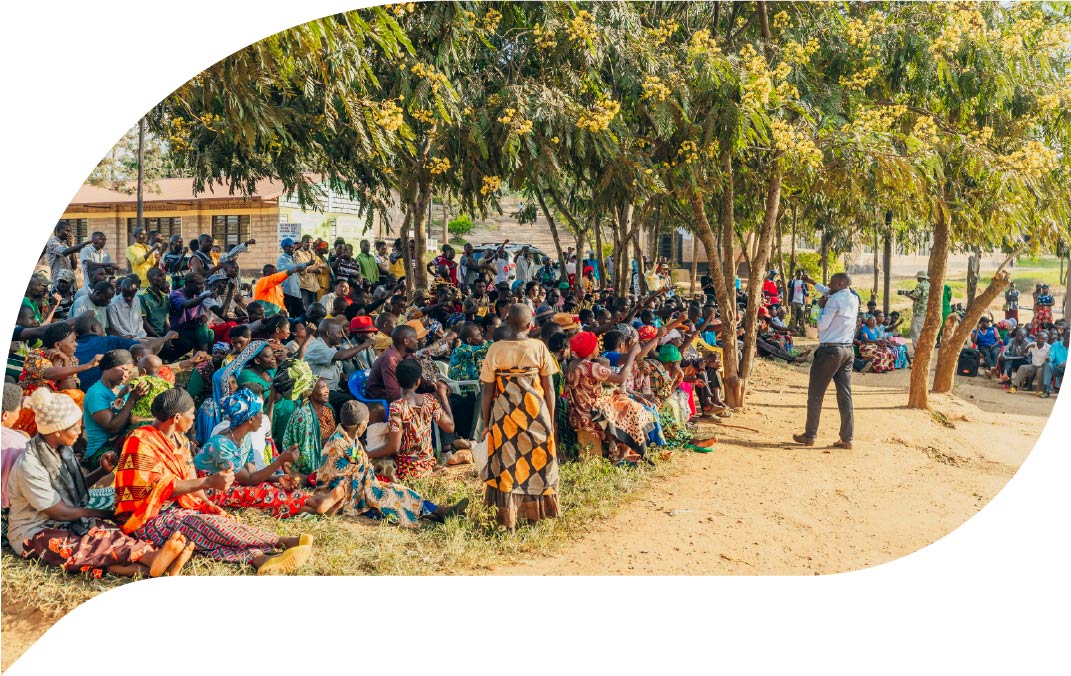
Land Registration and Capacity Building in Rwanda
In Rwanda, Landesa is working alongside local land administration officials on registration efforts that strengthen household land rights and increase government capacity. Land registration in three districts in Eastern Province, Rwanda, includes work on correcting boundary and demarcation errors, as well as registration of new parcels of land.
In the districts of Kirehe and Kayonza, Landesa provided technical support to help process 59,571 parcels of land, including 35,003 parcels with boundary error corrections, and 24,568 new registrations. Landesa’s support ensured households could access these services free of charge, amounting to significant savings for families and increasing access to land registration services. Each boundary correction case typically costs 67,000 Rwandan Francs (about 46 USD), while new registrations cost 45,000 Rwf (about 31 USD)—figures which can be significant barriers for rural households. Taken together, Landesa’s registration work in Kirehe and Kayonza was valued at 3.45 billion Rwf, equivalent to 2.37 million USD. Similar work is underway in Nyagatare District, providing increased access to stronger land rights for more families.
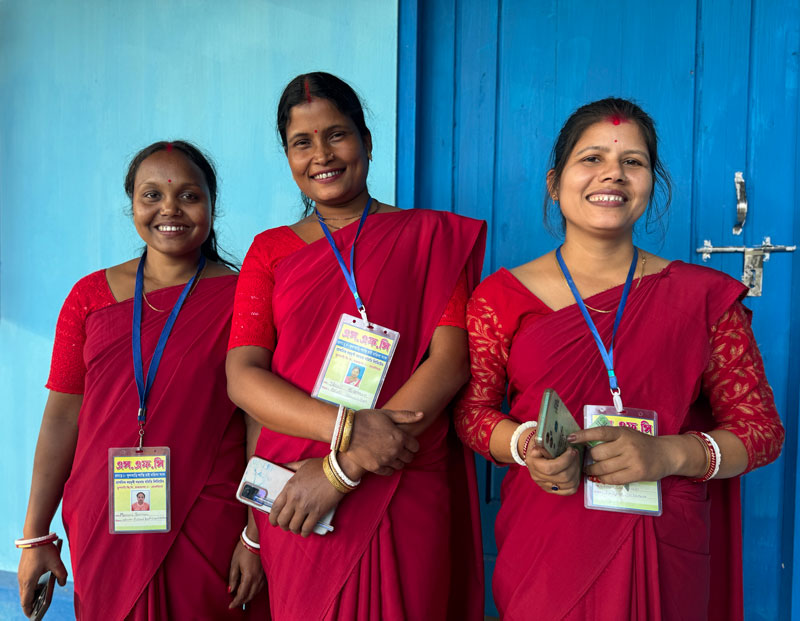
Mutual Benefit: Entrepreneurs for Public Good
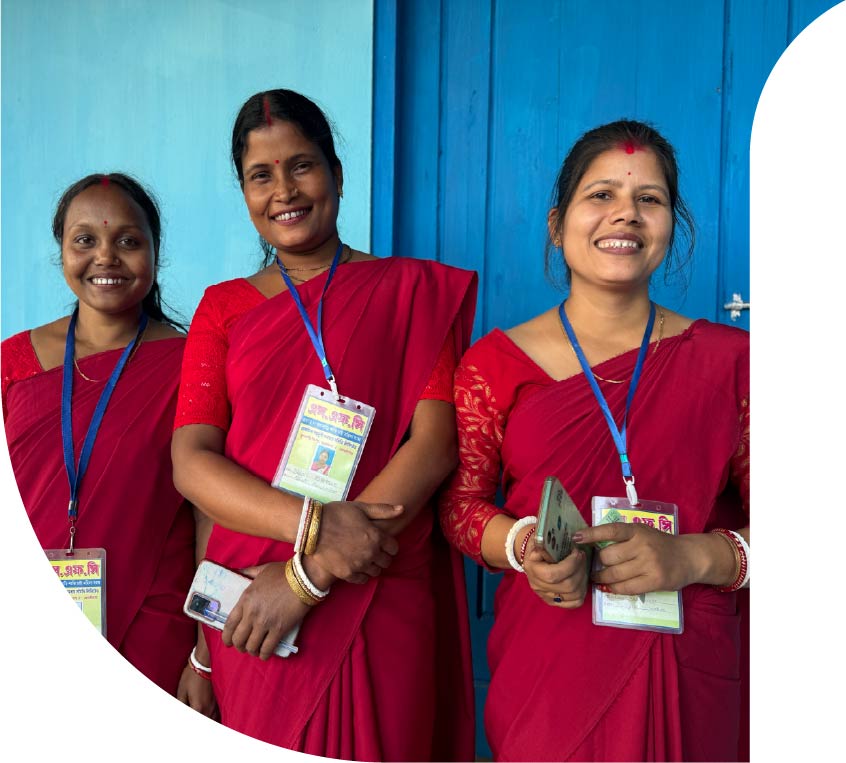
In rural India, 85% of women work in farming—yet only 13% of women own land. Updating household land records is a key step to securing rights to the land one farms, but discriminatory gender stereotypes regularly deter women from doing so.
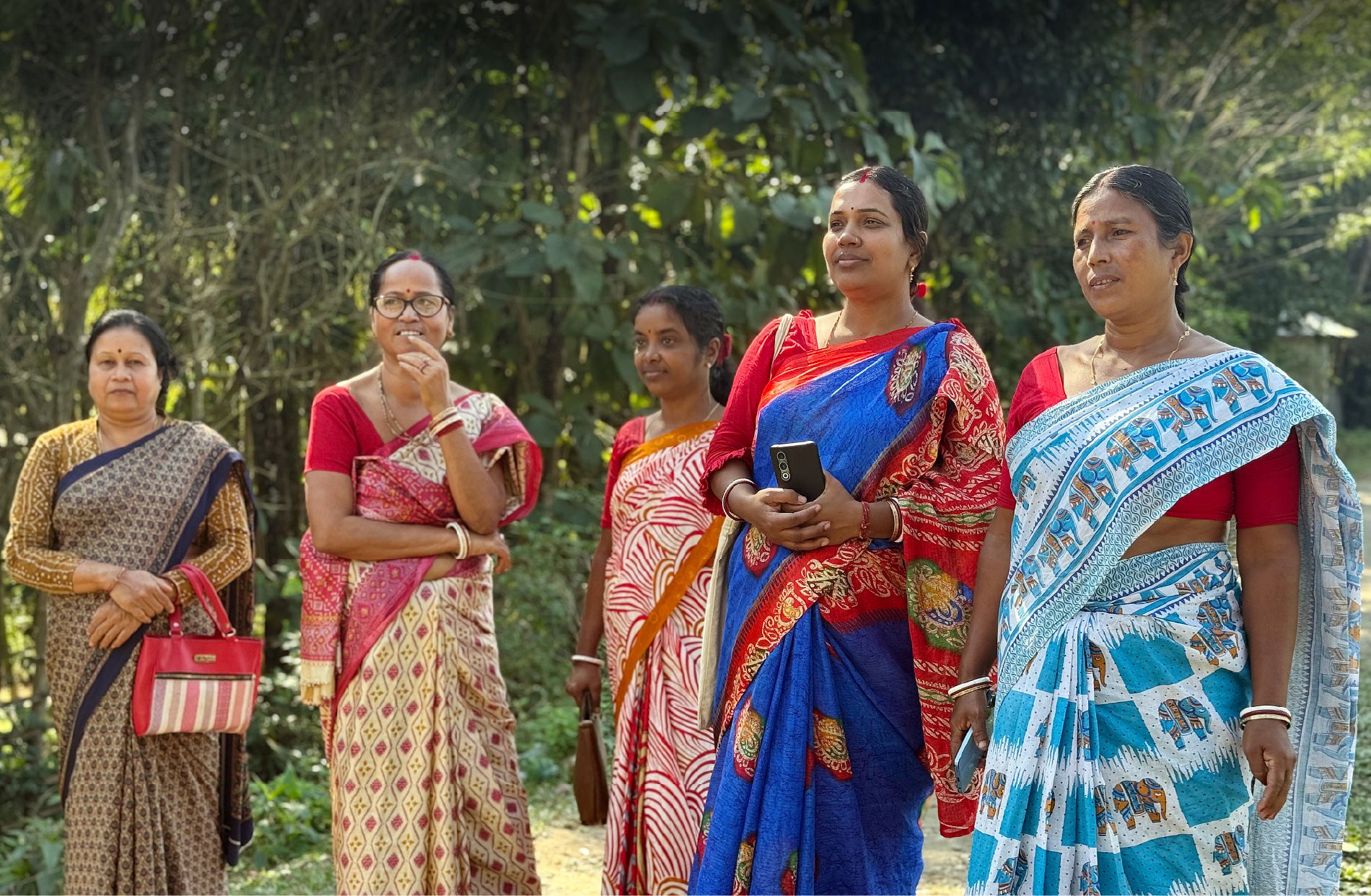
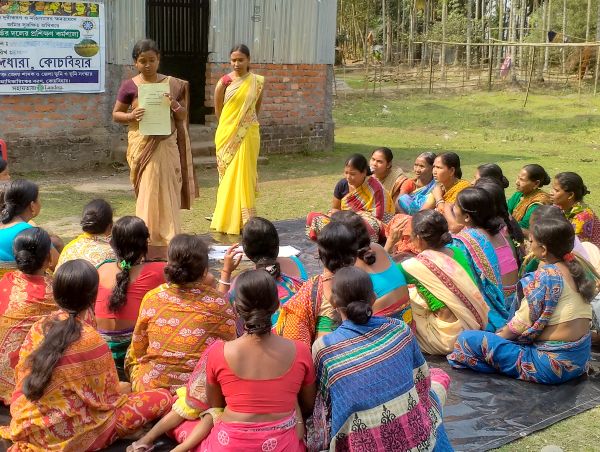
Landesa works with the West Bengal state government and national organization Gram Niyojan Kendra to establish rural hubs where community members can easily update their land records. These Sangha Facilitation Centers (SFCs) build on existing networks of women-led community groups focused on improved livelihoods and entrepreneurship. In 2025, the partnership expanded across West Bengal, establishing 58 new SFCs, training 554 women service providers, and providing 42,796 land-related services. The state government showed strong commitment to the model, conducting regional and district workshops and implementing a public monitoring system. This support is critical to meet the demand to scale SFCs nationwide—to grow livelihoods, dismantle gender stereotypes, and strengthen land rights across India.
From the Ground Up: Registering Indonesia’s Indigenous Land
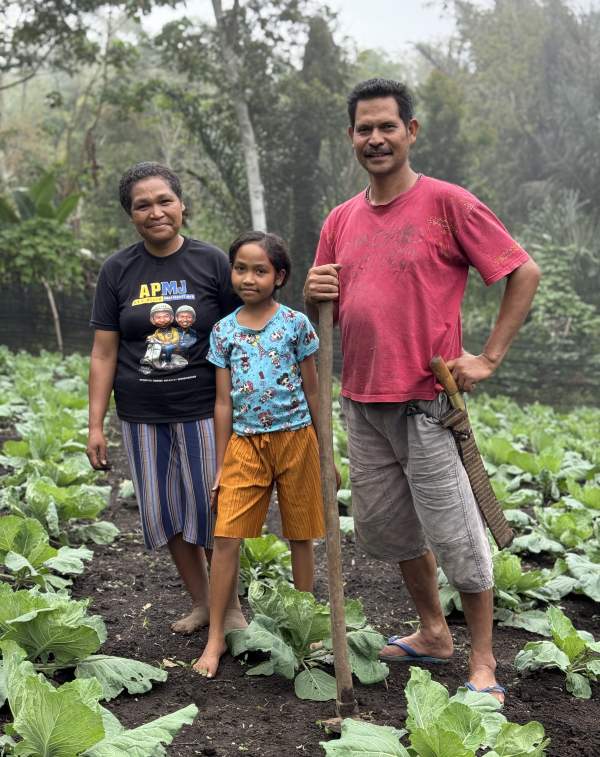
The upland forests of Ngada Regency on Indonesia’s Flores Island are often shrouded in fog and showered with cold rain—a chilly micro-climate in a country better known for sweltering, tropical heat. Conditions are ideal for cultivating the coffee beans that the region is famous for, and it is both a staple beverage and cash crop for the Indigenous communities that live in the area.
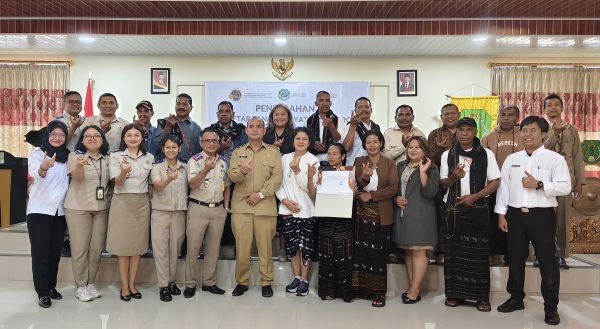
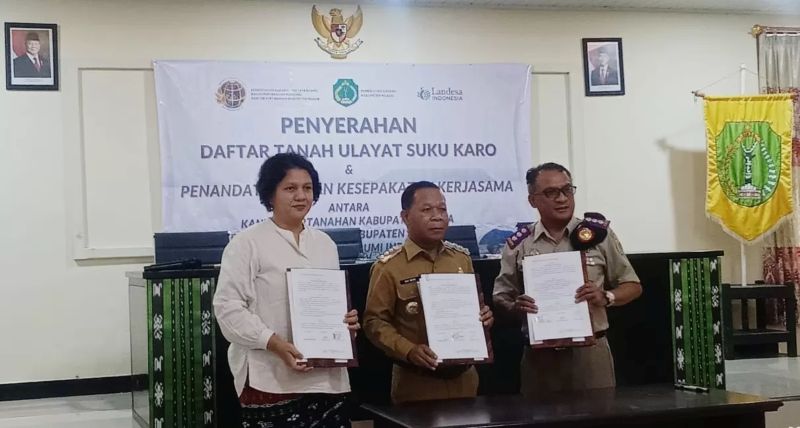
While land in the area is held by custom, rarely is it formally recognized by local land authorities. In 2025, the Karo Indigenous Community took the important step of registering its 2.3 hectares of ulayat, or customary, land. Landesa Bumi Indonesia helped facilitate the registration process through outreach and community discussions that involved all members of the Karo community, including women and youth. The registration process culminated in June 2025 with the Land Agency of Ngada Regency presenting a customary land registration certificate to the Karo community, formally recognizing their land rights. And, for the first time in Indonesia’s history, this land registration process was carried out in a bottom-up, participatory manner, ensuring that the entire community had a voice in the process. The Karo Indigenous Community continues to serve as an example for how participatory land registration can be implemented in other parts of Indonesia.
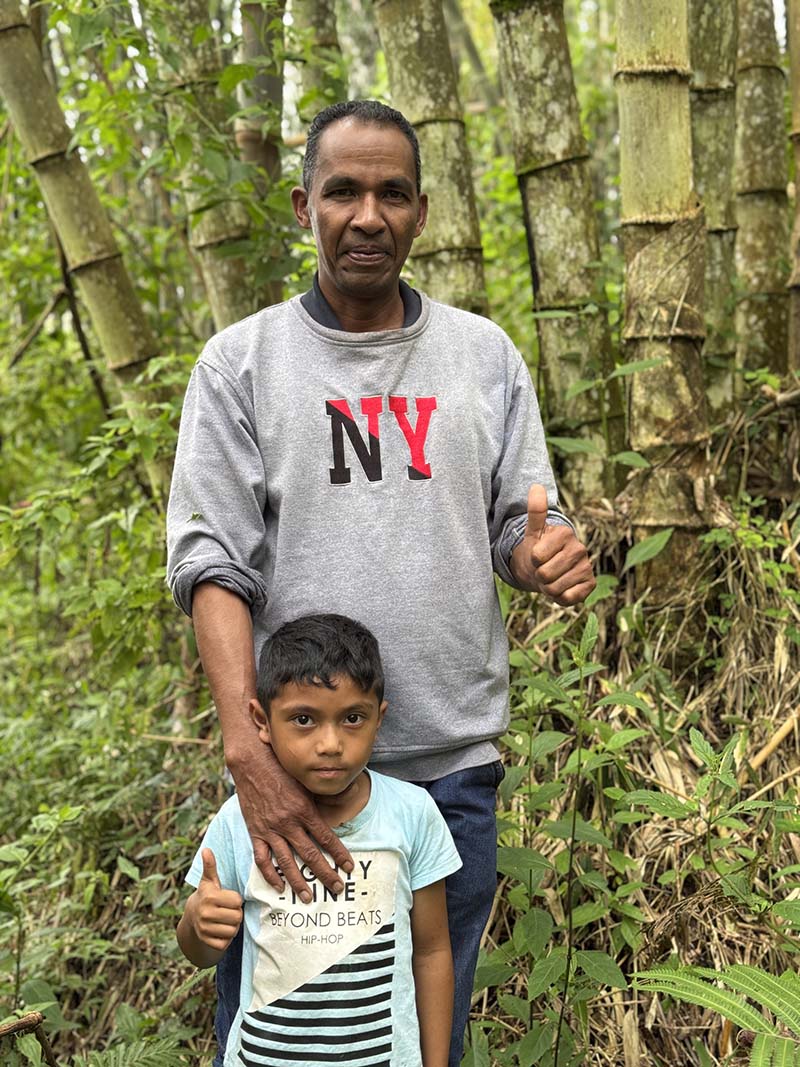
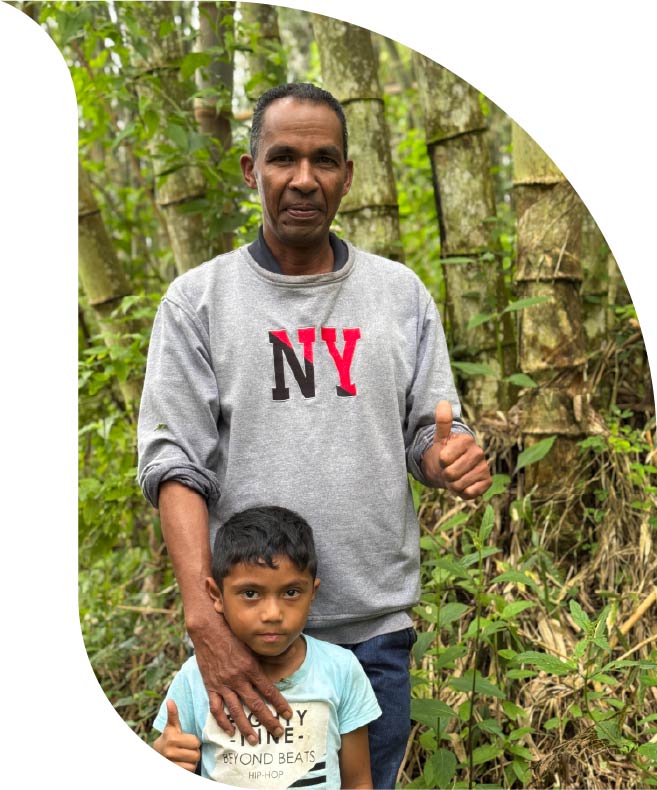
“I want to thank Landesa. From the beginning of the participatory training to the submission of recognition of our customary community land, Landesa supported us with time and resources for the process.”
- Heribertus Nono (above) a village leader and member of the Karo Indigenous Community
Rights in Practice: Gender Equal Land Governance
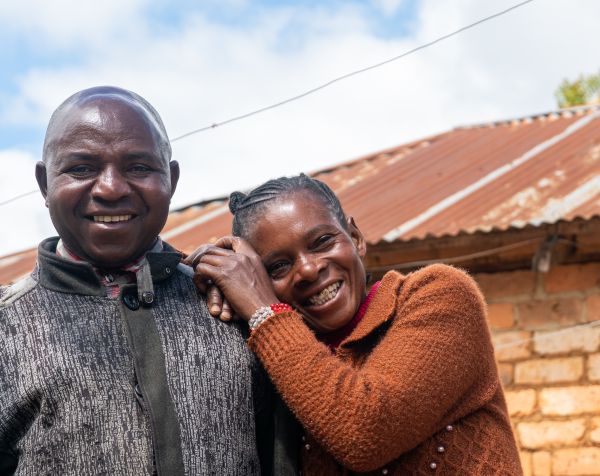
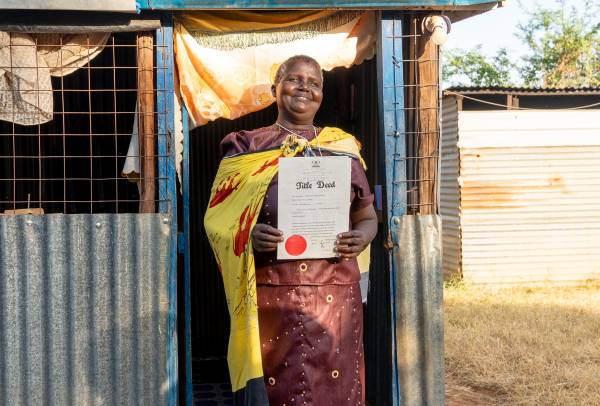
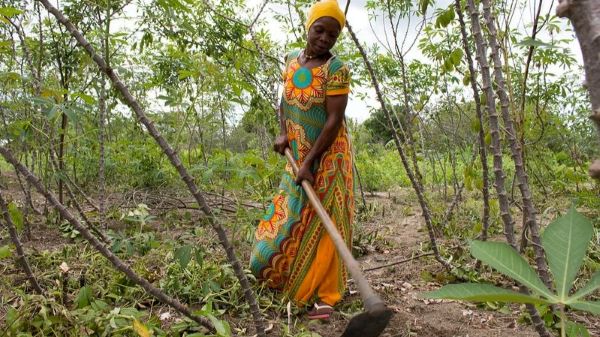
For decades, women in rural Liberia were commonly denied land ownership. In 2018, that began to change, as the new Land Rights Law laid the path for the 2.3 million Liberians living in rural areas to gain legal recognition of their customary land rights and safeguarded women’s rights within communities.
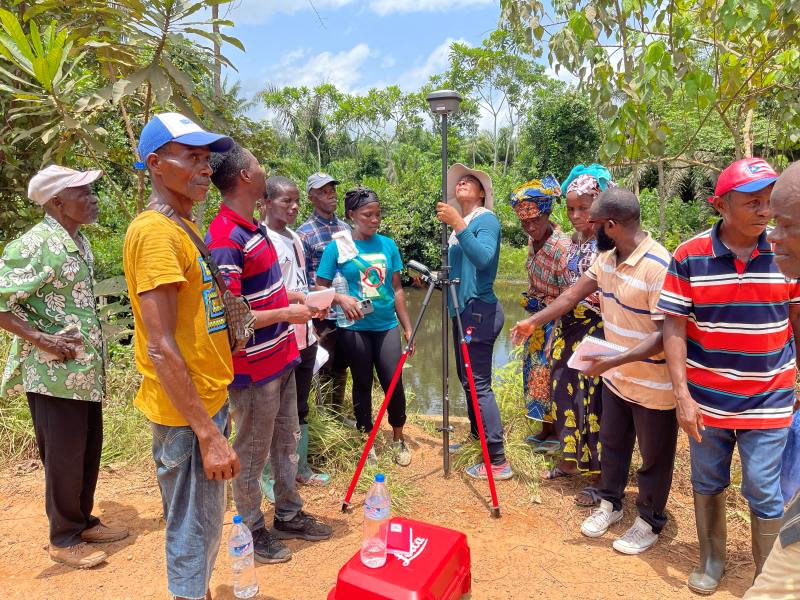
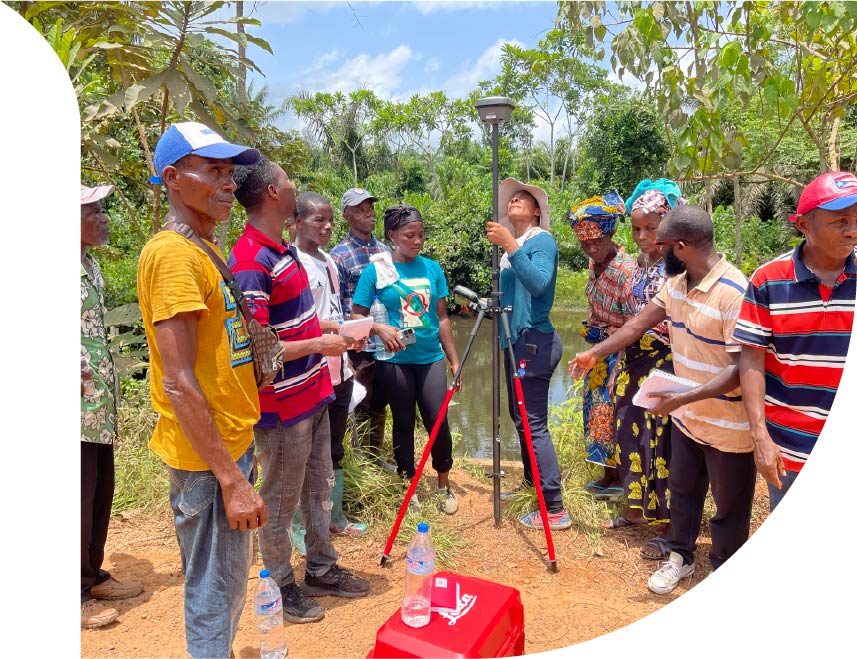
The new law recognizes land ownership by customary communities and enables communities to issue residential deeds to their members. To issue residential deeds, communities must complete a multi-step process, including updating community bylaws, mapping house plots and residential zones, and establishing community rules for allocation and land use. Over the past two years, Landesa partnered with the Liberia Land Authority and several CSOs to pilot this process in three communities. Landesa led protocol design and provided training on gender equality and social inclusion to ensure that the land registration process included and prioritized women.
Climate Action for People and Planet
As part of the UN’s Paris Agreement on climate change, each signatory country submits its action plan for reducing greenhouse gas emissions and adapting to the impacts of climate change. These Nationally Determined Contributions (NDCs) form the policy blueprint for climate action. And with land a critical resource for both climate mitigation and adaptation strategies, the measures outlined in NDCs can have a real impact on the lived realities of millions of people who rely on land to survive.
In 2025, the governments of Bangladesh, Cambodia, and Nepal took significant strides in strengthening land rights as a key element of national climate policy by adding land tenure commitments to their updated NDCs—in each case thanks in part to advocacy initiatives and research supported by Landesa.
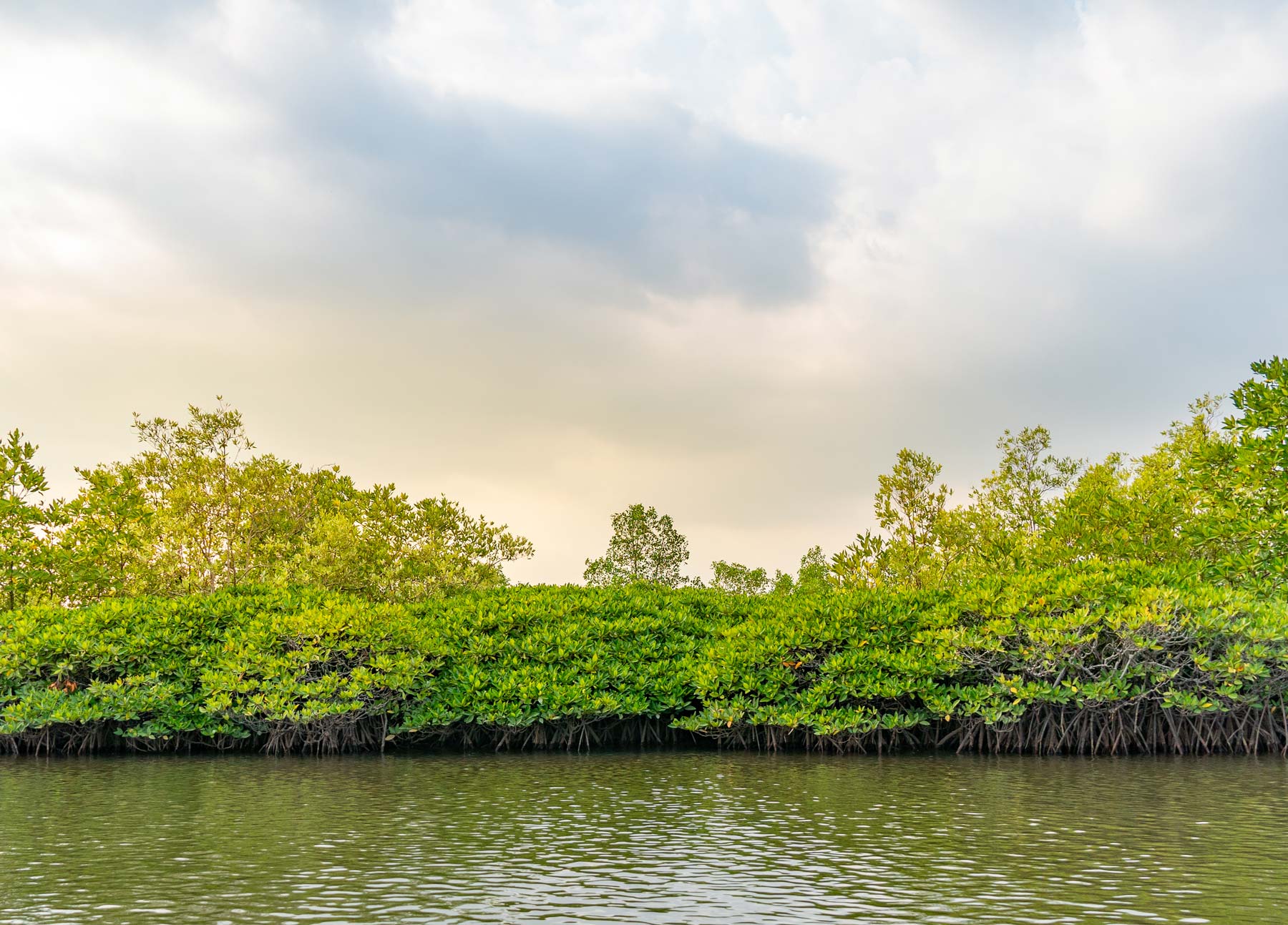
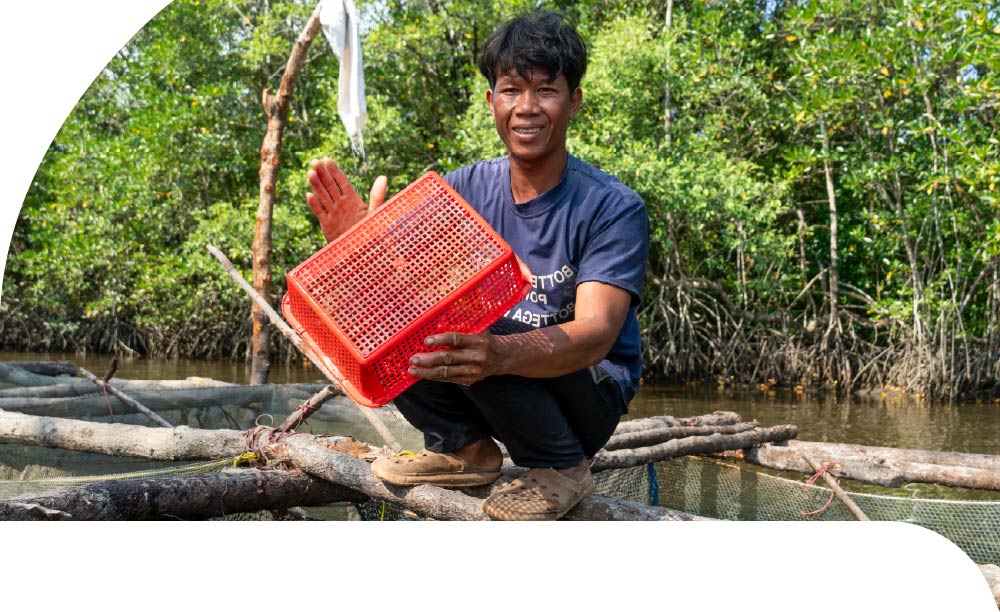
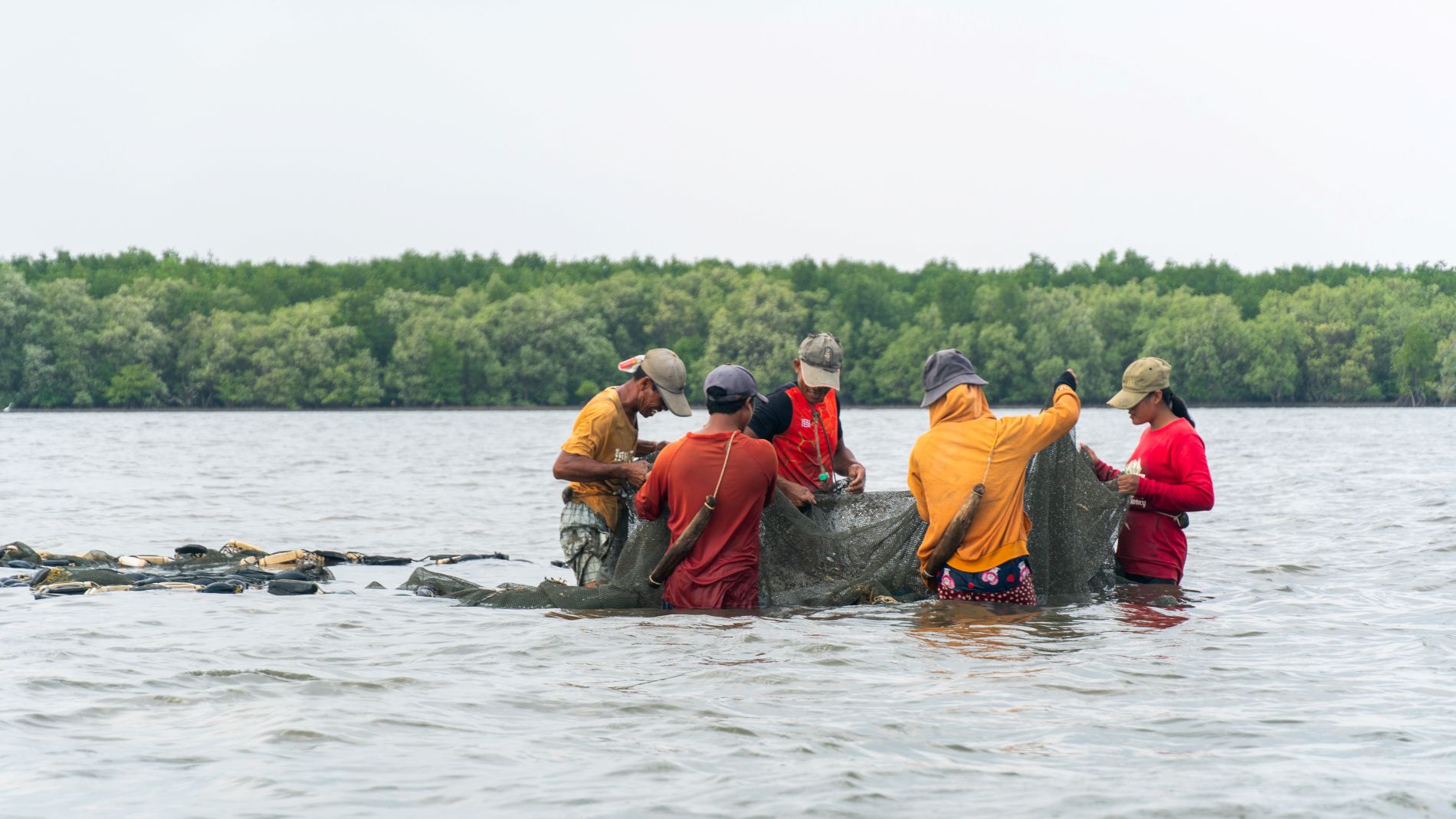
In Bangladesh and Nepal, national coalitions of women-led civil society organizations (see “Stronger Together investing in National Networks” highlight) held policy dialogues with key government ministries to advocate for women’s land rights, gender equity, and equitable climate action in updated NDCs. In Cambodia, Landesa’s research on coastal mangrove tenure in community fisheries highlighted how strong local land tenure can enhance climate mitigation and adaptation efforts.
The revised NDCs will help clear a path to greater protections for the land and resource rights of local communities in each country. For climate policy advocates, these successes demonstrate how collective advocacy can drive environmental action through land rights.
The Global Movement to Close the Gender Gap in Land
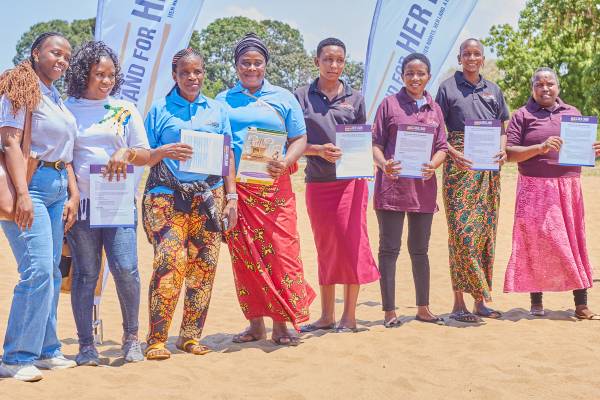
As Secretariat of Stand for Her Land (S4HL), Landesa is helping to guide a global movement to strengthen women’s land rights, powered by grassroots, women-led coalitions in 11 countries and counting. In 2025, we saw that the need and momentum for women’s land rights advocacy is stronger than ever. To that end, S4HL took two big steps to scale our work: changing our process to be able to welcome new coalitions and partners from 30 countries worldwide, and the finalization of a global strategy that will take us through 2030.
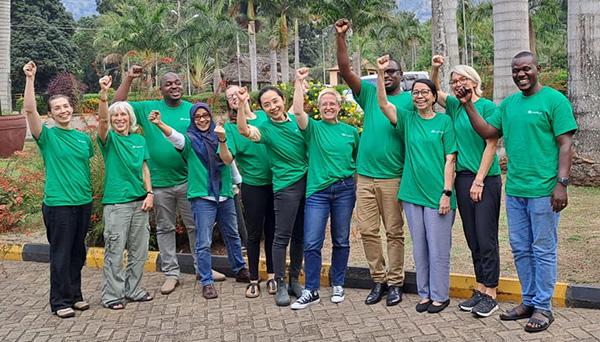
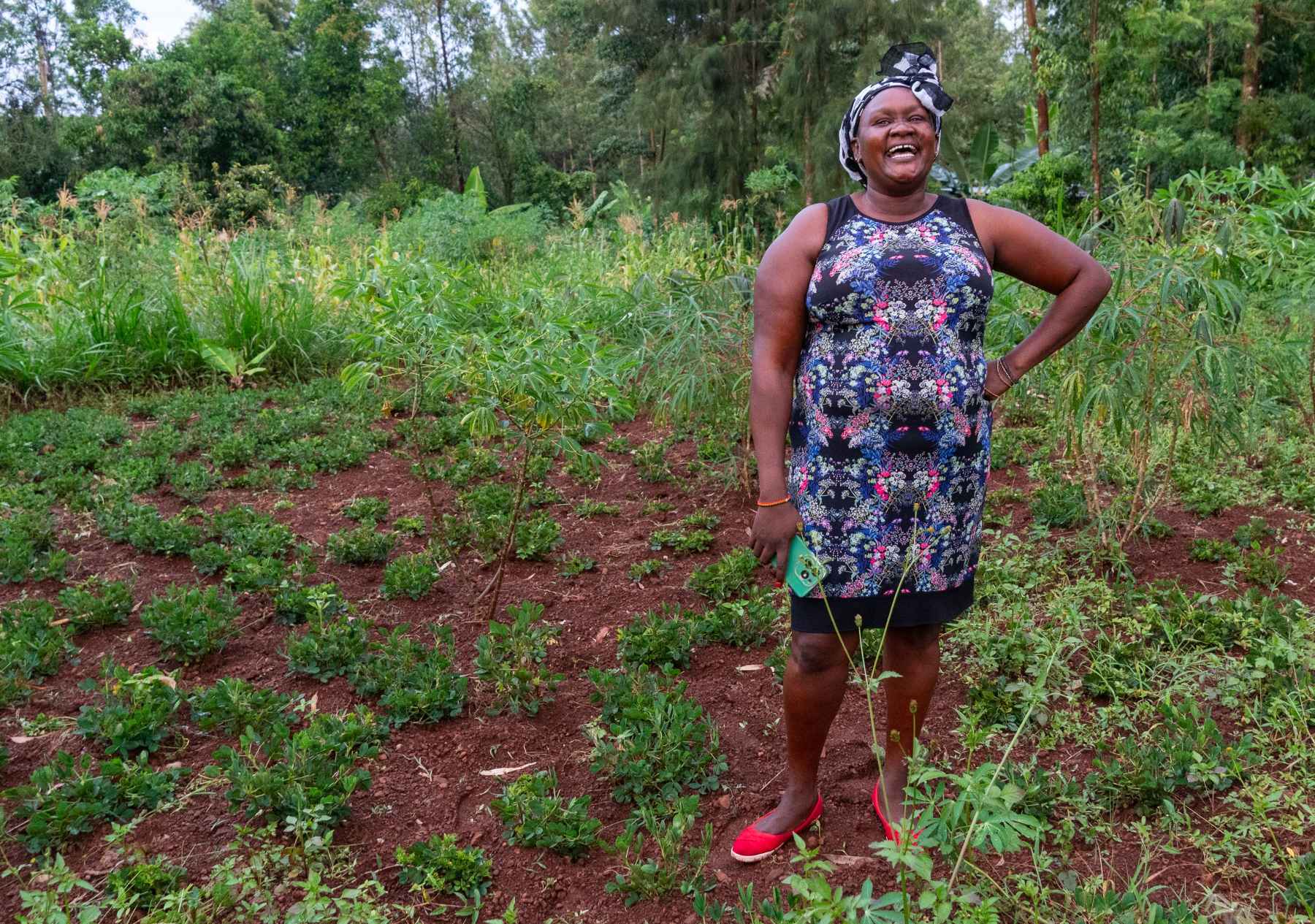
This past year also saw the formation of a new S4HL coalition in Kenya. Led by Landesa Kenya, the new coalition brings together grassroots women organizations, community-based organizations, national-level civil society organizations, media groups, and international NGOs in a collective effort to challenge social norms and strengthen women’s land rights in practice.
In late 2024 and 2025, S4HL representatives participated in UN Rio Convention processes on climate action, biodiversity protection, and land and soil health, supported by Landesa’s climate and gender experts. Our presence at the UN Convention on Biological Diversity, UN Convention to Combat Desertification, and the UN Framework Convention on Climate Change brought together global S4HL Steering Committee members with grassroots and national-level representatives from S4HL coalitions. Our delegation helped ensure that women’s land rights were on the agenda and that these global advocacy spaces include the lived realities of women managing ecosystems at the local level.





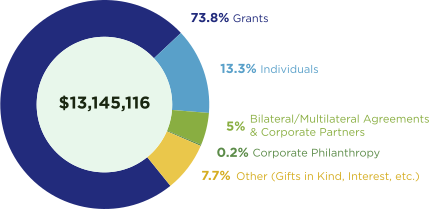
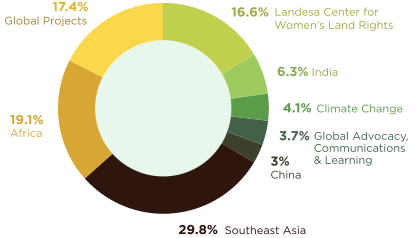
Functional Allocation of Expenses
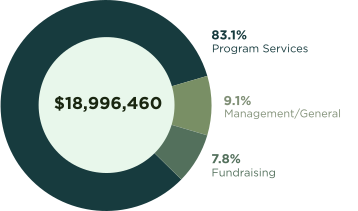
Note: Accounting principles generally accepted in the United States require Landesa to recognize the full amount of unconditional multi-year grants in the year in which they are awarded. Expenses, however, are recorded in the year they are incurred.
Abhijeet Singh Foundation
Elizabeth and Samuel Abrams
Chris Acker
Tiffany Acker
Roberta Adams and Richard Kissel
Jonathan Adjei
Markus Adolfsson
Aesop Foundation
John Ambler
Christine Anderson and Ilan Rubin
Erica Anderson
Molly Andrews
Gilia Angell
Noel Angell
Alice Appleton
Luciana Aquino-Hagedorn and Charles Hagedorn
Hilary Aten and David Strausz
Sarah Atterberry
Judith and John Austin
Nuru Awadh
Stephen and Kathleen Azevedo
Lillian Baer
Virginia Baeten
Laura Baird
Stacie Baker
Tom and Liz Banse
Sara Barker
Beverly Barnett
Benjamin Bauermeister
Erica Bauermeister
Katie Baumheckel
Melanie Bell
Michael Bell
Judith and Arnold Bendich
Kendra Bergstrom
Dr. Carla Bernardes and Mr. Kenneth Scott
Katherine Berrigan
Alison Bettles and Ryan Glant
BHP Foundation
David Bledsoe and Christine Pallier
Carly Bonora
Inger Brinck
Jennifer Brown
Lisa Brown
Justin Browne
Shelly Buchanan
Emory Bundy
David Burman
Toni Burmeister
Jennifer Butte-Dahl
Y C
Jim Cardillo and Patricia Kern-Cardillo
Mary Cartwright
Karen J. Cassel
Brian Chandler
Fondation CHANEL
Kasilinda Chimangi
Jan Chow and Gerard Letterie
Maren Christensen
Clif Family Foundation
Co-Impact
Neil Conn
Jeremy and Tamara Cook
Pamela Cook and Paul Gietzel
Christine Costelloe
Susan Cotter
Jane Cox Clark and Charles Clark
Carol Crawford
Anita Crofts
James and Jill Crutcher
Page Crutcher
Stephen Dada
The Dana Fund
Shane Danisher
Adrian DeDomenico
Dasha Denger
Ramesh Deshpande
Diane Dew
Mary Dinday
Barbara Dingfield
Ron and Susan Dinning
Tracy Domingues
William Donnelly
Dovetail Impact Foundation
Chris and Chrissie Drape
Busara Drezgic
Susan Drummond
Jennifer Duncan
Jeremy and Sonja Dwyer
Ruth Eckland
Marilee Erickson
Ashley Erskine
Laura Eshbach
Deborah Espinosa
Tina Essegian
Teresita Eulogio
Thomas Evans
Jan Everman
Kathy Fan
Jacque Farley
Jennifer Faubion and Amit Ranade
Diana Fletschner
Chris Flory
Ashleigh Flowers and Kevin Rohr
Ford Foundation
Maximilian Francis
Jonathan Franklin
Meredith Franklin
Anne Frisbie
Derek Fulwiler
Lisa Galaites
Tracy and Tom Garland
Sharon Garrett
Tony Garrison
Raft George
German Society for International Cooperation (GIZ)
Karen Ginther
Phillip Gladfelter
Mitchell and Jessie Goodman
Laura Lee Grace
Christine Grumm
Daniel Gustafson
Joel Gutierrez
Antonio Hadlich
Rickey Hall
Russell B. and Deborah A. Hall
Elsa Haloman
Casey Hanisko
Leslie Hannay
Amanda Hanstad
Denise and John Hanstad
Olivia Hanstad
Rajan Hanstad and Adriana Lopez
Tim and Chitra Hanstad
Lynn Haremski
Stefanie Hargreaves
David Harnsberger
Elizabeth Harris & Peter Gross
Randi Hedin
Natalie Hereth
Deborah van der Heyden and Guy Limay
JoAnne Hillegeist
Giang Hoang
Vincent Ho and Midori Namiki
Horiuchi Donor Advised Fund
The Houssian Foundation
Andrew Howard
Melanie Hui
Marcus Hutchins
The Irving Family Fund
Elen Jarolimek
Melody Jean
Manuel Jinez
af Jochnick Foundation
Adolf af Jochnick and Liz Jochnick
Chris Jochnick and Paulina Garzon
Jon and Gretchen Jones
Saskia and Anneke De Jonge
Angela and Nicholas Kalayjian
Catherine Kalunde
Colt Kaminski
Lydia Kan
Frederick Kaplan
Victoria Katamba
Annie Kelley-Kamp
Ping and Shirley Kiang
Caitlin Kieran
Maria Kildall
Frances Kim
King Philanthropies
Deborah Krikun
Martha Kisyombe
Darin Knapp
Neill Kramer
John Kranz
Marty Krasney
Alexandra LaMarsh
Eliza and Mark Larson
Alida and Christopher Latham
Dan Lavoie
Lyndsey Lefebvre
Lindsey Legaspi
Jennifer Lenga-Long and Eric Long
MA Leonard
Lever for Change
Aaron Lewis
Carol Lewis and Tom Byers
Jessica and Evan Lin
Cecelia Linsley
Clara Lippert
Titi Liu and Eric Rosenblum
Caitlin Lohman
Doug Love and Rachel Running
Bin Lu
Gregory Lull
Julius Lyamba
Abias Mabana
Thereza Mabula
Lucia MacMahon
Joan Madaraka
Tamra Madenwald
Catherine Magoke
Joseph Magoke
Melckzedeck Magoke
Perpetual Magoke
Aditi Mahendroo
Vikesh and Kiran Mahendroo
Olive Malcolm
Anya Malkiel
Christina Marra and Paul Silver
Jimena Martinez and Michael Hirschhorn
Wema Masoy
The Mathews Giving Fund
Gregory and Jenifer May
Michele May
Mildred May
Mayer Giving Fund
Lucy Maynard
Josephine Mbuguni
Cynthia McCarty-Dawson and Patrick Dawson
Rache McClure
Jennifer McFarlane
McGill Ricks Charitable Fund
Jane Meseck
Kippy Messett Fund
Jessica Mhoja
Julia Mhoja
Mercy-Esther Mhoja
Simon Mhoja
Milkywire/WRLD Foundation
Rebekah Miller
Lynn Minor
Kristen Mitchell
Robert Mitchell and Jill Walzer
Hope Jubilee Mmanywa
Brittany Monares
Donna Moniz
Nancy Montstream
Jacqueline Montstream
Ann Morrison
Nancy Morrison
Esther Msambazi
Masha Mshomba
Clara Murwa
Leah Mwakyoma
David Myre Jr.
Flaston Ndabila
Victoria Neiman
Nelson Family Charitable Fund
Betty Nelson
Thy Nguyen
Margaret Niles and Stephen Garratt
Matthew and Ann Nimetz
Miriam Nisbet and Michael May
George Njambilo
Anne Nolan
Oak Foundation
Colleen O'Holleran
Samantha Olodort
Mary M. O'Malley Charitable Fund of the Community Foundations of the Hudson Valley
Shyril O'Steen
Shannon Paksons
Kylie Palzer
Jennifer Parker
Hemaxi Patel
Janet Peacey
Colleen Penny
Alyssa Perez
Andrew Phillips
James and Gaye Pigott
Pilot House Philanthropy
Li Ping
Carolyn Pinkett and Benjamin Chotzen
Benny Pittman
Rebecca Pixler
Planet Earth Foundation
Jennifer Potter and Hugh Straley
Julie and Paul Pottinger
Darrell Powell
Propel Capital
Roy L. Prosterman*
Peter Rabley
Lauren Rader
Elise Rainer
Jay Rajendran
Ry Ravenholt
Tiffany Read
Jamie Reed
Maggie Marovich and Taylor Reed
Jeffrey and Beverly Riedinger
River Star Foundation
Robert Bosch Stiftung (Foundation)
Jonathan and Beth Roberts
Lynne Robins
Fadumo Roble
Leonard Rolfes Jr. and Christine Rolfes
Maggie Rollins
Paula March Romanovsky
Tyler Roush
Mark Ruffo and Jared Baeten
Deepali and Casey Rukeyser
Martha "Marti" H. Rule
Elizabeth Runde
William Ryan
Nancy Sapiro and Lincoln Miller
Bharat Sarpeshkar
Robert Schwartz
Scott Schwartz and Roxanne Richards
Victoria Scott
Mary Beth Seifert
Sue Selman
Helen and Matthew Sernett
Amitkumar Shah
Darshana Shanbhag and Dilip Wagle
Shawna Sherman
Charlett Shoecraft
Berna Silvano
June and Carl Silverberg
Rena Singer and John Murphy
Michael and Shalini Singh
Suzanne and Sumeer Singla
Barbara Smith
Jonathan Smith
Michael Smith
Mark Smythe
Kelly Snyder
Margaret Stanley
Claudia Steinman
Stewardship Foundation
Erin and Paul Stroup
Denzil Suite
Dipa Suri
Swedish Postcode Lottery Foundation
Michelle Swenson
Stephen Syrjala
Rhoda T.
Robin Taft
Shannah Tan
Stacey Taplin
Daniel Temkin
The Tenure Facility
Laura Rieger Thal
Maritherese Thomas
Melissa Thomas
Together Women Rise
Darley Tom
Janet Tornow
Shomya Tripathy
Angela Ursino
US Department of State
Ryan Vancil
Sagar Varanasi
Madeline Vaught
Amanda Veshagh
Caitlin Vincent
James Wade
Wilma Wallace and Richard Meyers
Catherine Watkins
Kristy Watson
Rebecca Wayland and Lawrence Perry
Billie Weller
Wellspring Philanthropic Fund
Mark and Zuzana West
Annie Westby
Cathy Dwigans Ray Wilber
Jasmine Williams
David Wolfe
Gavin and Susan Woods
Amy Yunis and Karin Martin
Keliang Zhu
Anonymous donors (5)
--------
* deceased
Luciana Aquino-Hagedorn
Ashley Hayden
Melanie Hui
Mercy Karanja
Yabo Lin
Titi Liu
Ted Maynard
Jennifer McFarlane
Maureen Miruka
Matt Nimetz
Jennifer Potter
Roy Prosterman
Jeff Riedinger
Darshana Shanbhag
Wilma Wallace