
Resources



Featured resource
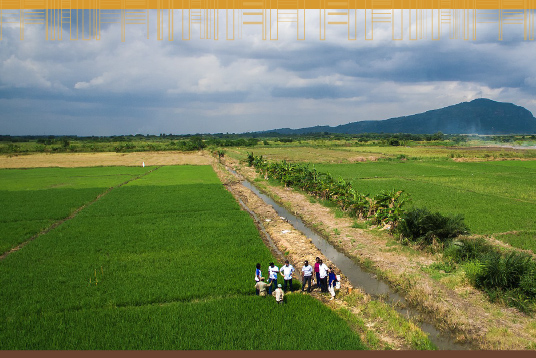
Landesa’s Responsible Investments in Property and Land (RIPL) Resource Platform translates international guidelines and best practices for responsible investments in agricultural land into user-friendly guidebooks, with one designed for businesses, one for communities, one for governments, and country-specific guidebooks for Ghana and Tanzania.
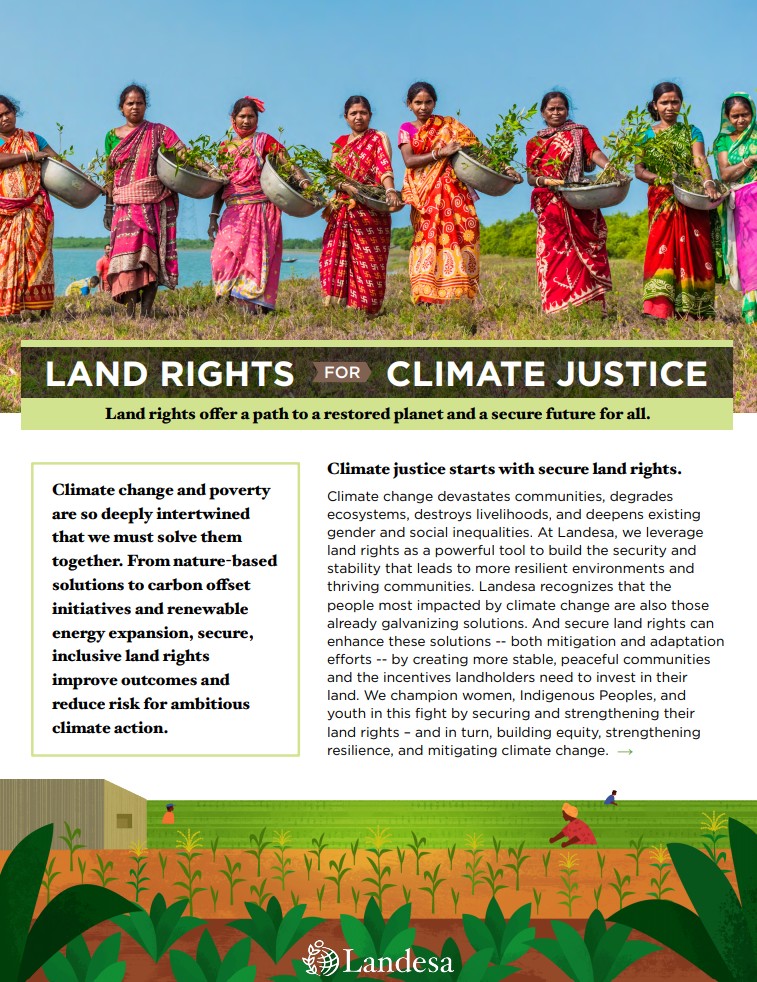
Effective climate action depends on the rights and leadership of the people who live on and steward the land. This brief explores how secure, inclusive land rights can improve outcomes and reduce risks across mangrove conservation, carbon markets, renewable energy, and global climate policy.
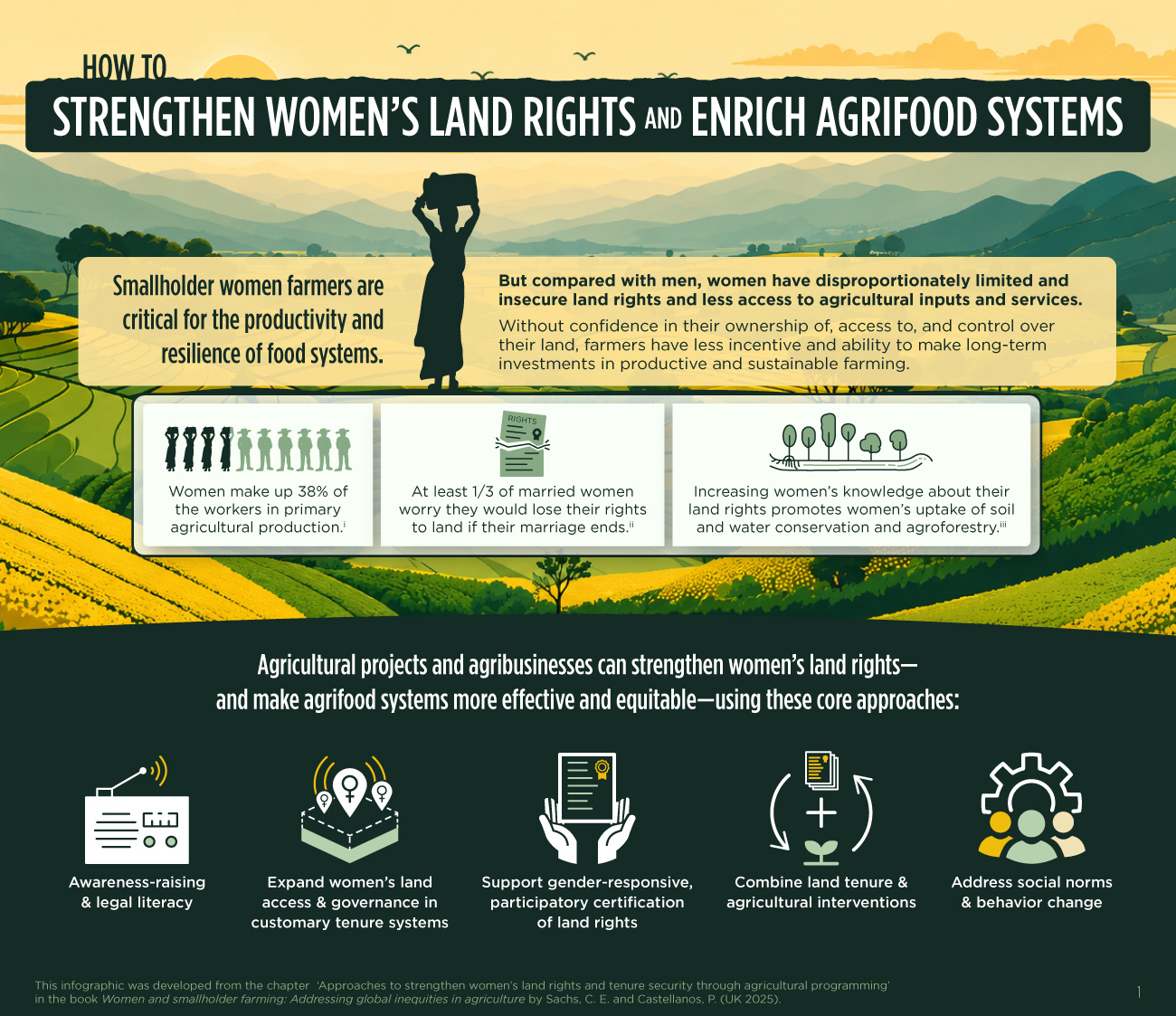
This infographic explores five tested approaches that agricultural projects and companies can use to strengthen women’s land rights and build more productive, equitable, and resilient food systems.
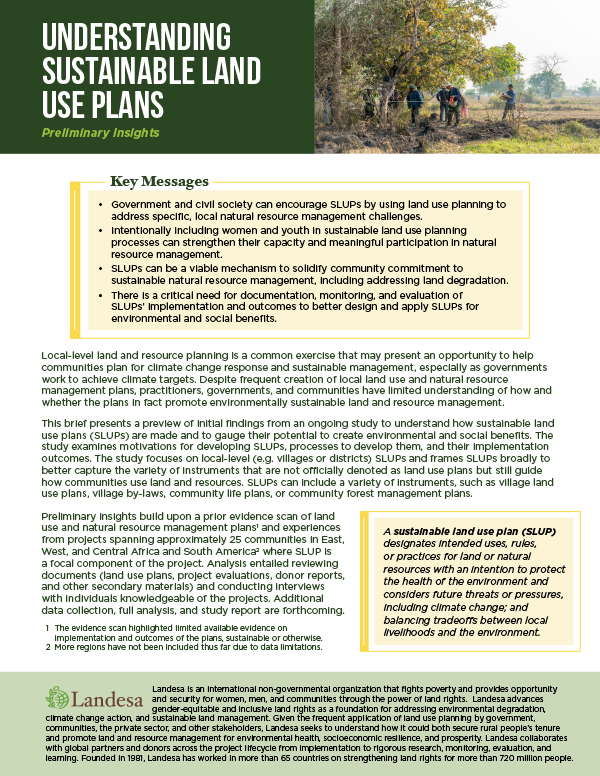
Land and resource planning can help communities respond to climate change and engage in sustainable management practices. This brief presents initial findings from an ongoing study into the development of sustainable land use plans and their potential to create environmental and social benefits.
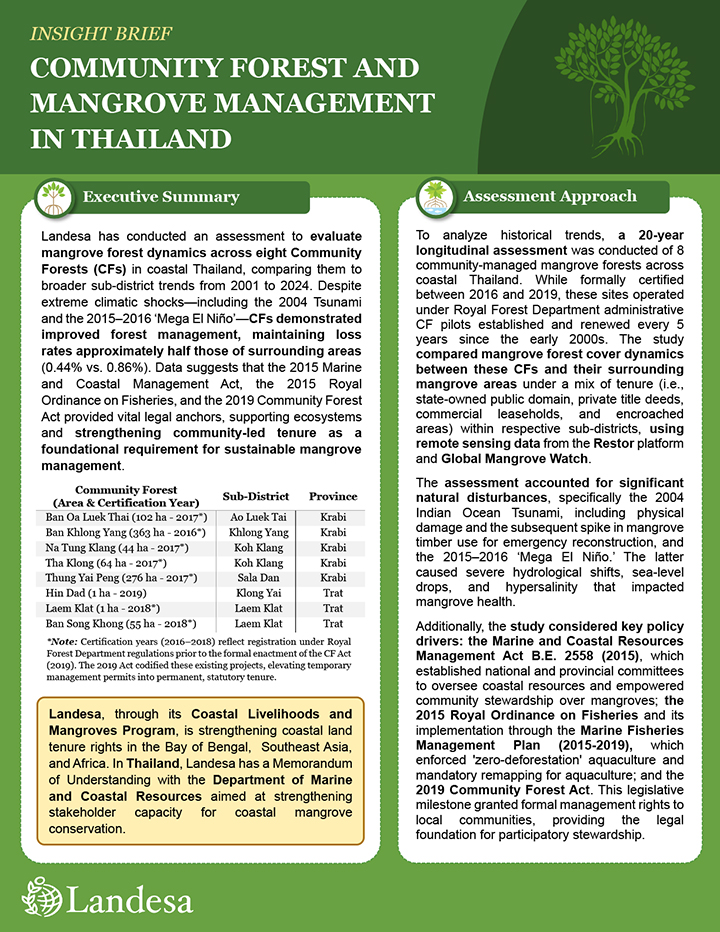
A 20-year assessment of mangrove forest dynamics in Thailand suggests that Community Forests perform better than surrounding forest areas at preventing tree cover loss.
While Tanzania has progressive legal frameworks for mangrove governance, persistent challenges remain in institutional coordination, clarity of community roles, and implementation at the local level. Strengthening community participation is equally essential for sustainable management and equitable benefit sharing. This brief highlights key governance challenges and identifies priority areas for strengthening community participation and sustainability in mangrove management.
Developed in collaboration with RECOFTC-Thailand, this brief draws upon insights from community forest registration processes supported by Landesa to present a practical and innovative pathway for moving toward community mangrove forest management plans.

The Community – Investor Framework for Kenya’s Drylands offers a clear, legally grounded process for responsible investment on community land in Kenya’s drylands, drawing on national laws, county planning systems, and established international standards.
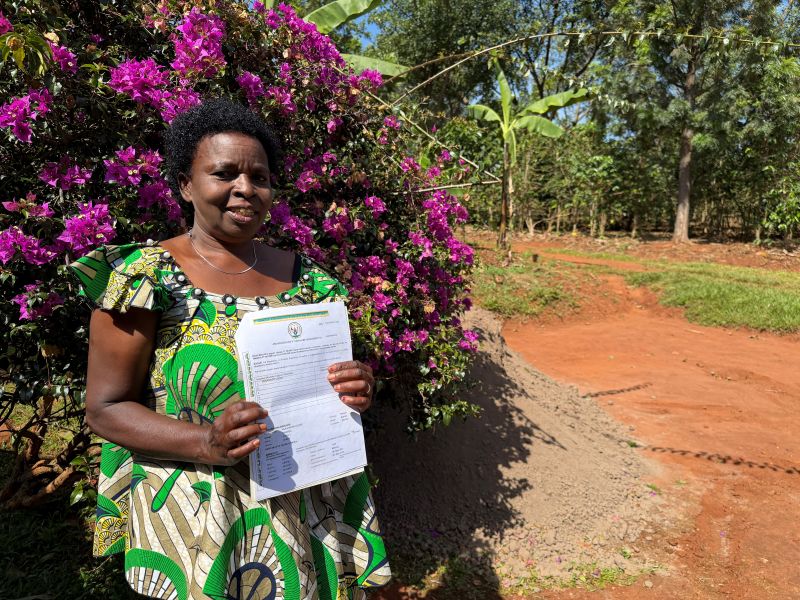
When Louise was widowed in 2005, her livelihood came under threat: her land was not registered, leaving her without secure rights to her land. Widows are often targeted for land takings, encounter boundary disputes, and face barriers to inheritance. Without her land, she would lose her food security and her income.
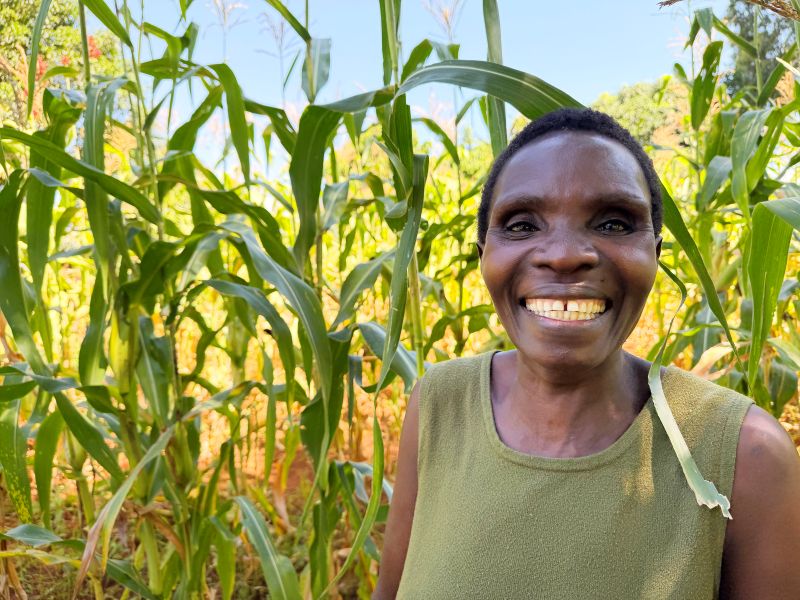
Rebecca Ogalo spent more than two decades fearing she could lose the land she depended on to raise her son, until a Landesa land clinic in Kisumu, Kenya helped uncover the records needed to receive a land title in her name.
